
Top-Rated Products For Fire Restoration Professionals And DIYers
Browse versatile tools and supplies suitable for both expert restorers and homeowners tackling fire damage.
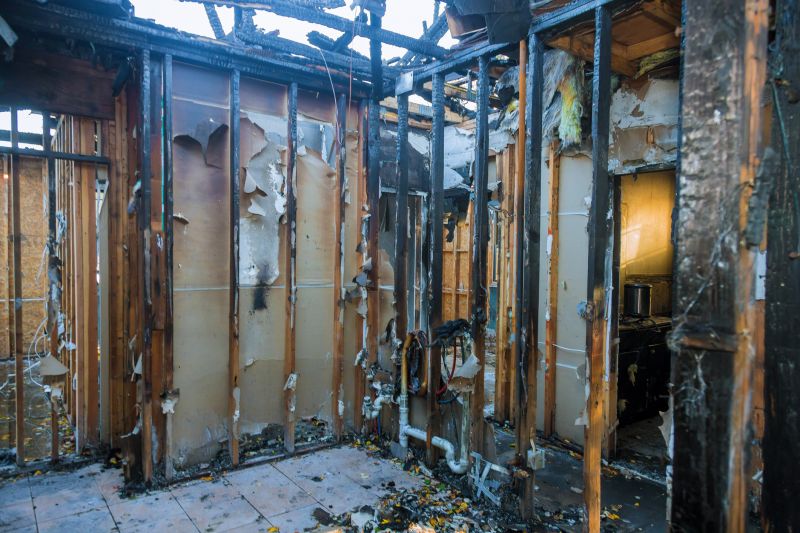 Fire restoration is a critical process that involves repairing and restoring properties affected by fire damage. This process requires a comprehensive approach, addressing not only the visible damage but also the underlying structural and material issues caused by smoke, heat, and flames. Proper restoration involves careful assessment, cleaning, deodorizing, and rebuilding to ensure safety and functionality. In Austin, TX, professionals often utilize a wide range of specialized products to facilitate effective fire damage remediation.
Top Overall Option
Multi-Purpose Fire Damage Restoration Kit
A comprehensive kit that includes a variety of cleaning agents, deodorizing solutions, protective gear, and tools designed to address multiple aspects of fire damage restoration. This all-in-one set provides a versatile solution for both professionals and serious DIYers aiming to efficiently manage fire damage cleanup and repair.
Types of Products For Fire Restorations
Soot and Smoke Cleaners
Specialized solutions formulated to dissolve and remove soot and smoke residues from surfaces and materials.
Odor Neutralizers
Products designed to eliminate persistent smoke odors from furniture, walls, and air spaces.
Fire-Resistant Sealants
Sealants used to reinforce structural elements and prevent further damage or spread of fire.
Structural Repair Adhesives
Strong adhesives suitable for repairing damaged wood, drywall, and other building materials.
Protective Gear
Personal protective equipment such as masks, gloves, and coveralls to ensure safety during restoration work.
Dehumidifiers and Air Scrubbers
Equipment to control humidity and purify the air, reducing residual odors and airborne soot particles.
Fire-Resistant Paints
Specialized paints that provide fire-resistant coatings for walls and ceilings.
Cleaning Cloths and Sponges
Durable cleaning materials designed for scrubbing and wiping soot and smoke residues.
Electrostatic Sprayers
Tools for applying disinfectants and deodorants evenly over large surfaces.
Structural Demolition Tools
Saws, hammers, and chisels used for removing severely damaged materials.
Fire-Resistant Drywall
Special drywall designed to withstand high temperatures and prevent fire spread.
Water Removal Equipment
High-capacity pumps and vacuums for extracting water used during firefighting efforts.
Smoke Damage Restoration Sprays
Sprays formulated to neutralize smoke residues on various surfaces.
Chemical Fire Suppressants
Agents used to prevent flare-ups during the restoration process.
Fire-Resistant Insulation
Insulation materials that resist high temperatures, aiding in fire containment.
Thermal Imaging Cameras
Devices used to detect hidden hotspots and assess damage extent.
Popular Choices
Widely used products for removing soot and smoke residues from surfaces.
Effective sprays for neutralizing smoke odors in indoor environments.
Commonly recommended masks for safety during cleanup and repair work.
Popular for controlling moisture and preventing mold growth post-fire.
Devices frequently used to improve air quality during restoration.
Frequently chosen for sealing cracks and structural joints.
Commonly used for wiping soot and cleaning surfaces.
Popular for disinfecting large surfaces quickly and evenly.
Often selected for reinforcing areas exposed to heat.
Frequently used for patching and restoring damaged walls.
Popular for coating surfaces and enhancing fire resistance.
Commonly employed to remove residual water from firefighting efforts.
Widely used to treat surfaces affected by smoke residues.
Often utilized during the restoration to prevent flare-ups.
Popular tools for assessing damage and hotspots.
Effective fire restoration begins with identifying the extent of damage and selecting the appropriate tools and materials. From cleaning agents that remove soot and smoke residues to odor neutralizers that eliminate persistent smells, each product plays a vital role in the restoration process. Additionally, protective gear and safety equipment are essential for workers to operate safely in potentially hazardous environments. The goal is to restore the property to its pre-fire condition while ensuring safety and compliance with local regulations.
Choosing the right products for fire restoration can significantly impact the efficiency and success of the recovery effort. It is important to consider the specific needs of the damaged property, including the materials affected, the severity of the damage, and the desired outcomes. Proper application and handling of these products are crucial to achieve optimal results. Whether dealing with soot removal, structural repairs, or odor control, having a reliable arsenal of restoration products is indispensable for professionals and DIY enthusiasts alike in Austin, TX.
Key Buying Considerations
- Assess the severity of fire and smoke damage to determine the necessary products.
- Choose products compatible with the materials affected, such as wood, drywall, or fabric.
- Prioritize safety gear to protect workers from soot, chemicals, and heat exposure.
- Consider the ease of application and whether professional tools are required.
- Evaluate the effectiveness of odor neutralizers for persistent smoke smells.
- Check if the products are suitable for use in enclosed or occupied spaces.
- Ensure that cleaning agents are appropriate for the surfaces being treated to avoid damage.
- Look for equipment that can handle the scale of the restoration project, from small repairs to large-scale cleanup.
- Verify that fire-resistant materials meet local building codes and standards.
- Consider environmental conditions like humidity and temperature that can affect product performance.
- Review product compatibility with existing structural elements and furnishings.
- Determine the need for specialized tools such as thermal imaging cameras or electrostatic sprayers.
- Factor in the duration and ease of application to optimize workflow.
- Assess the availability of replacement parts or refills for equipment used.
- Research customer reviews and professional recommendations for reliability and effectiveness.